Object Photo Workshop Part 2
- Oct 4, 2019
- 2 min read
Updated: Nov 11, 2019
In the second part of the Object photo workshop we were required by the brief to shift your focus from the actual objects, now considering the image as a object and the process of constructing an image.

Inspired by the designers that I researched, I ripped, scrunched and collage to create my own image. But still having focus from the previous workshop to experiment with colour, depth of field, viewpoint, camera to subject distance and focus.

I found some designs worked out and some did not, I found that rapping my object in paper see left did not work out as well as I expected due to the fact I should have used a brighter coloured background or darker background to help bring the object forward.


Research
Before I took part in this workshop I researched designers to help give myself solutions to the brief. The designers I researched were Daniel Gordon, Letha Wilson and Ruth Van Beek . All used different ways of manipulating photographs in photos to create interesting subject matter. Daniel Gordon creates 3D objects out of photographs tricking the viewer, for the first instance, into thinking it is the real life object, but then the viewer can see the jagged edges of the paper and see that it is an illusion. Letha Wilson on the other hand tears up strips of paper to create a textured and patterned collage of one object, for the image bellow this is the ferns. Ruth Van Beek fold up one photograph to make the object loose its identity. All these artist have one thing in common and that is that they make the subject matter in the photo have a different identity to what it was before e.g. a blue pineapple zebra stripes made out of ferns and a bunny with no ears.


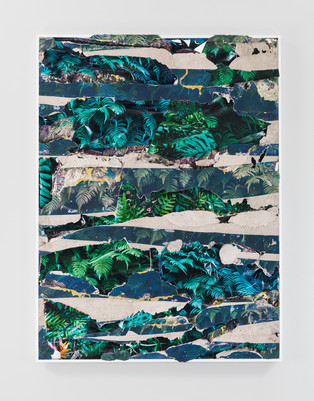


From Left: Daniel Gordon, Letha Wilson and Ruth Van Beek
Further Development
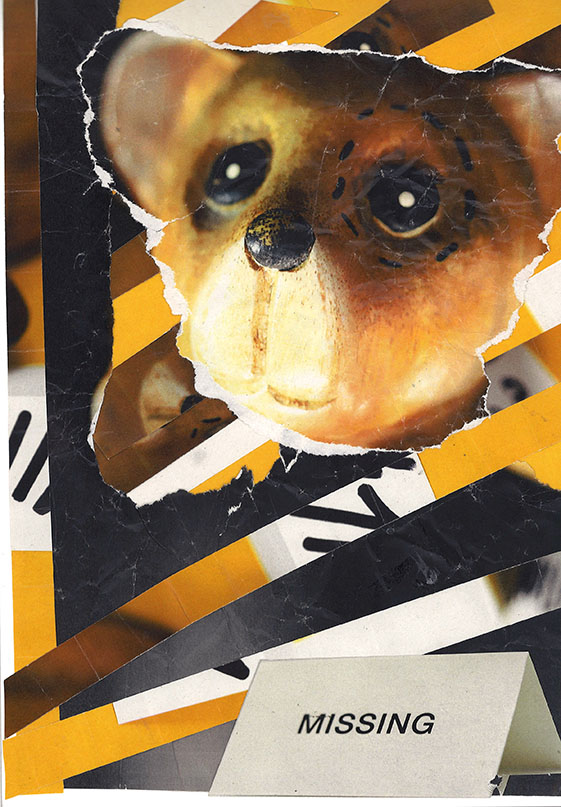
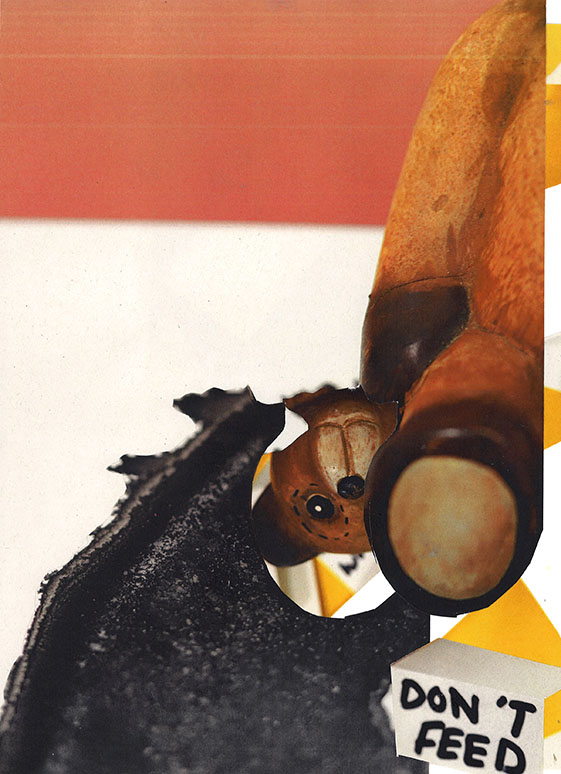
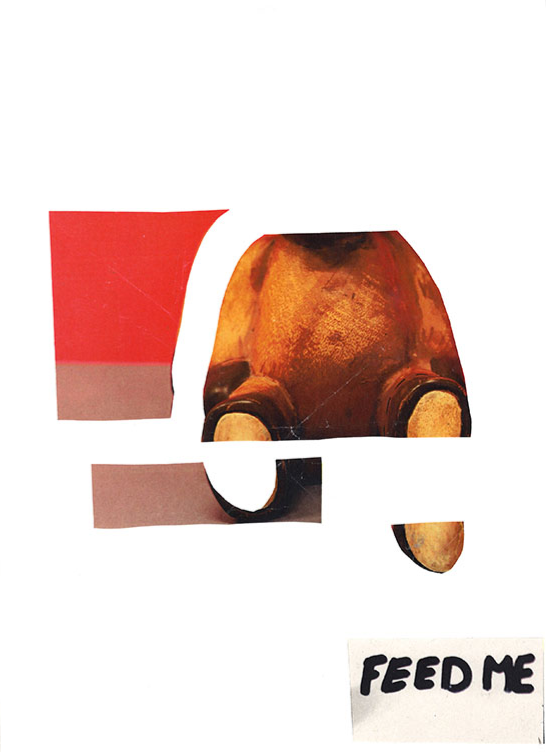
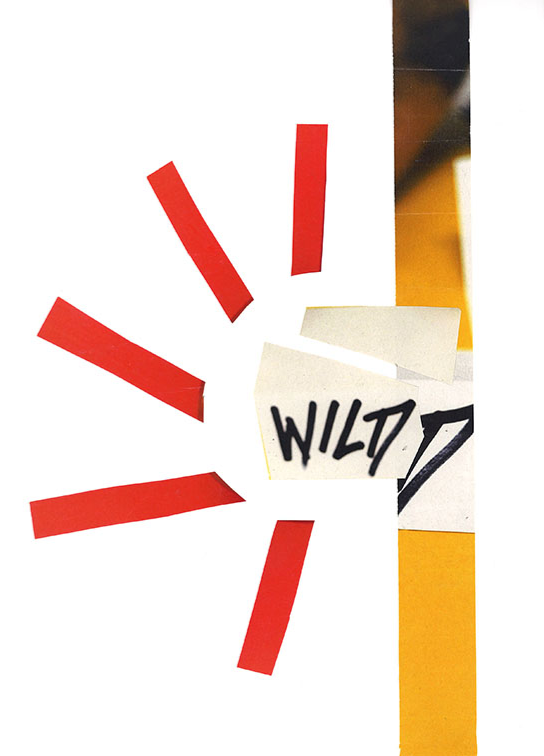
After the lesson I furthered my knowledge gained from the workshop and used all the left over pieces of paper of my images from the first workshop and created collages with them to experiment with the relationship between image and type and also shape and form. I was heavily inspired by the Dadaist movement to manipulate the image and create a totally different narrative to what the object would tell you on its own. One pinnacle Dadaist in Germany, was Hannah Hoch who created photo montages to demonstrate her beliefs upon feminism and her opinions on the political landscape of the time.







Comments